National Handloom Day serves as a vital reminder that weaving is much more than creating textile items, as it acts as a powerful catalyst for rural economic growth, cultural preservation, and social empowerment. Across the villages of Maharashtra, rural families turn simple strands of yarn into financial stability and communal pride. Organizations like Kokan NGO India work tirelessly alongside traditional artisans to ensure that these timeless skills yield steady livelihoods. Every rhythm of the wooden loom represents self-reliance, unity, and a sustainable path forward for rural women and hardworking craftspeople.
Table of Contents
The Cultural Significance of Traditional Textile Craft
Traditional textile craft preserves our rich heritage while creating sustainable income streams for rural artisan families across the nation. When local craftspeople sit at their looms, they pass down centuries of wisdom through every deliberate movement. Kokan NGO India supports these skilled workers by providing modern market access, quality materials, and continuous skill advancement programs. Celebrating National Handloom Day helps illuminate these magnificent art forms, ensuring that classic artistic traditions remain vibrant, profitable, and respected in modern markets.
How Handloom Crafting Transforms Rural Economies
Rural handloom initiatives generate steady employment opportunities, reduce regional poverty, and empower women with financial independence. By turning traditional artistry into marketable goods, entire villages build resilient local economies that thrive across generations. Kokan NGO India strengthens this economic foundation by bridging the gap between isolated village creators and urban buyers who value authentic quality. As we celebrate National Handloom Day, we see firsthand how sustainable livelihood projects turn modest home workshops into flourishing hubs of economic security and hope.
The Deep Psychological Impact of Community Crafting
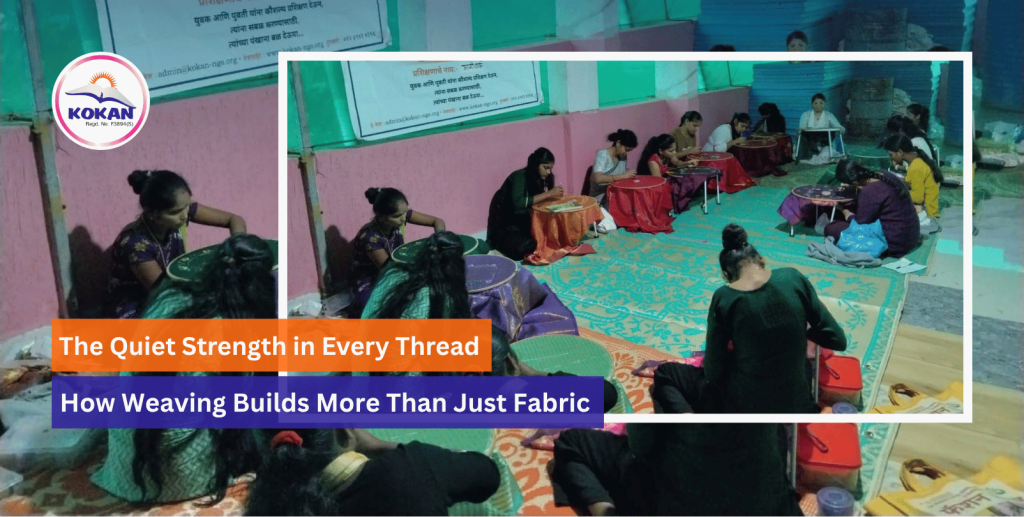
Community crafting restores individual dignity, fosters strong social bonds, and instills immense pride within marginalized rural populations. Working collectively on intricate handmade goods encourages shared problem solving, emotional support, and lasting solidarity among village artisans. The dedicated team at Kokan Kala Va Shikshan Vikas Sanstha creates safe, uplifting spaces where women gather to share knowledge, refine their skills, and support one another. Through this collaborative spirit, every finished masterpiece becomes a shining symbol of personal growth, shared resilience, and community strength.
Sustainable Practices Within Ancient Handloom Arts
Ancient handloom methods rely on eco-friendly materials, natural dye processes, and zero emission manual production that protect our environment. Choosing handmade items reduces industrial waste and promotes a healthy, conscious lifestyle for thoughtful consumers everywhere. The passionate mentors at Kokan Kala Va Shikshan Vikas Sanstha emphasize these green practices, ensuring that traditional artistry aligns with modern environmental standards. Honoring National Handloom Day encourages us all to embrace slow fashion, value ethical production, and protect our precious natural resources for future generations.
Why Heritage Handloom Inspires Future Generations
National Handloom Day inspires young people to honor their heritage, adopt ethical consumer choices, and champion traditional artisan communities. By appreciating the meticulous effort behind every garment, youth gain a deeper connection to their cultural roots and sustainable living practices. Kokan NGO India actively engages young minds through interactive workshops, awareness campaigns, and community showcases that highlight the beauty of manual creation. Promoting the timeless beauty of weaving helps youth recognize that preserving traditional crafts is essential for building a balanced, culturally rich, and equitable society.
Empowering Rural Women Through Handloom Creation
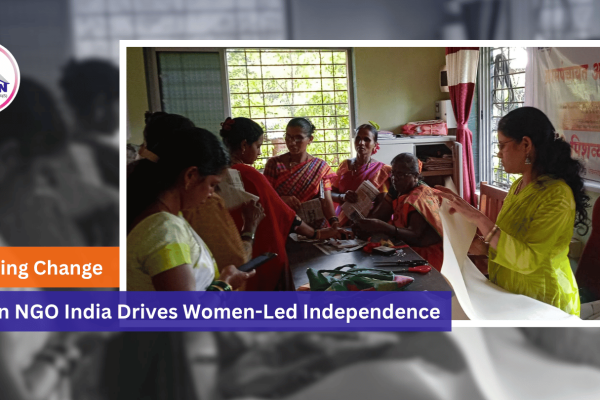
Skill training in traditional textiles gives rural women financial autonomy, higher social standing, and newfound confidence within their households. Earning an independent income allows mothers to invest directly in their children’s education, health, and overall well being. Training initiatives continue to expand across districts, transforming eager learners into master creators and successful micro entrepreneurs. Through the art of weaving, these inspiring women break historical cycles of dependency, rewrite their personal stories, and pave a bright, secure pathway toward complete self reliance.
Preserving Ancient Techniques for Modern Consumers
Preserving traditional manufacturing methods requires continuous innovation in design, quality control, and distribution networks across regional hubs. Rural artisans possess incredible knowledge, but they often lack direct connection to contemporary urban marketplaces and digital commerce platforms. Traditional weaving requires continuous innovation to reach conscious consumers who appreciate authentic artistry. This thoughtful synthesis of ancestral heritage and modern aesthetic preferences ensures that traditional crafts remain commercially viable, highly sought after, and deeply valued across diverse consumer segments.
Strengthening Local Supply Chains and Fair Trade Markets
Establishing ethical supply chains protects vulnerable craftspeople from exploitative middlemen while ensuring fair prices for every handcrafted creation. Connecting rural households directly to markets provides the financial predictability required to make future plans, invest in the skill development of women, buy higher-quality supplies, and grow their local businesses. When consumers purchase directly from community centered organizations, every rupee spent supports fair wages, healthy working conditions, and neighborhood development. Transparent ethical commerce creates a virtuous circle where conscientious buying habits directly strengthen rural infrastructure and elevate the standard of living for entire craft clusters.
Educational Workshops and Rural Skill Enhancement
Comprehensive skill development programs provide aspiring artisans with the practical expertise needed to master complex patterns and high grade yarn selection. Specialized workshops focus on advanced dye application, efficient thread preparation, structural quality checks, and essential financial literacy skills. Community training hubs serve as vibrant centers of lifelong learning where experienced elders mentor enthusiastic young adults eager to learn. Investing in thorough vocational education ensures that technical mastery passes seamlessly to future generations, creating a proud workforce capable of producing world class handloom products.
The Environmental Benefits of Slow Fashion Choices
Slow fashion prioritizes durability, natural fibers, and ethical human labor over mass produced synthetic garments that pollute our ecosystems. Hand crafted textiles consume significantly less electricity and water during production, making them an ideal choice for environmentally conscious consumers. By choosing high quality handmade fabrics, individuals actively reduce textile waste in landfills and combat the harmful impacts of fast fashion. Embracing sustainable clothing choices encourages a deeper appreciation for conscious consumption, environmental stewardship, and the peaceful harmony between human creativity and nature.
Building Lasting Community Resilience Across Maharashtra
Strong artisan networks form the backbone of sustainable rural development, fostering long term social stability and economic security across districts. When local talent is nurtured and fairly compensated, entire regions become more resilient against economic shifts and rural migration. Sustainable weaving programs ensure that rural creators receive proper recognition, fair wages, and continuous access to expanding consumer markets. The true Kokan NGO India Work Impact shines brightly as transformed villages thrive with renewed hope, vibrant craftsmanship, and undeniable economic vitality.